

Sling Freestream
Defining and launching a free ad-supported streaming service while protecting Sling’s paid subscription business.
Free ad-supported streaming was becoming a new growth path.
AVOD and FAST were moving into the mainstream, giving viewers a way to start watching without committing to a subscription. Sling already had content that could support a free experience, but the product was still designed around a paywall-first model.
The opportunity was to turn that content into a new entry point—expanding reach and ad opportunity while creating a path into Sling’s paid ecosystem.
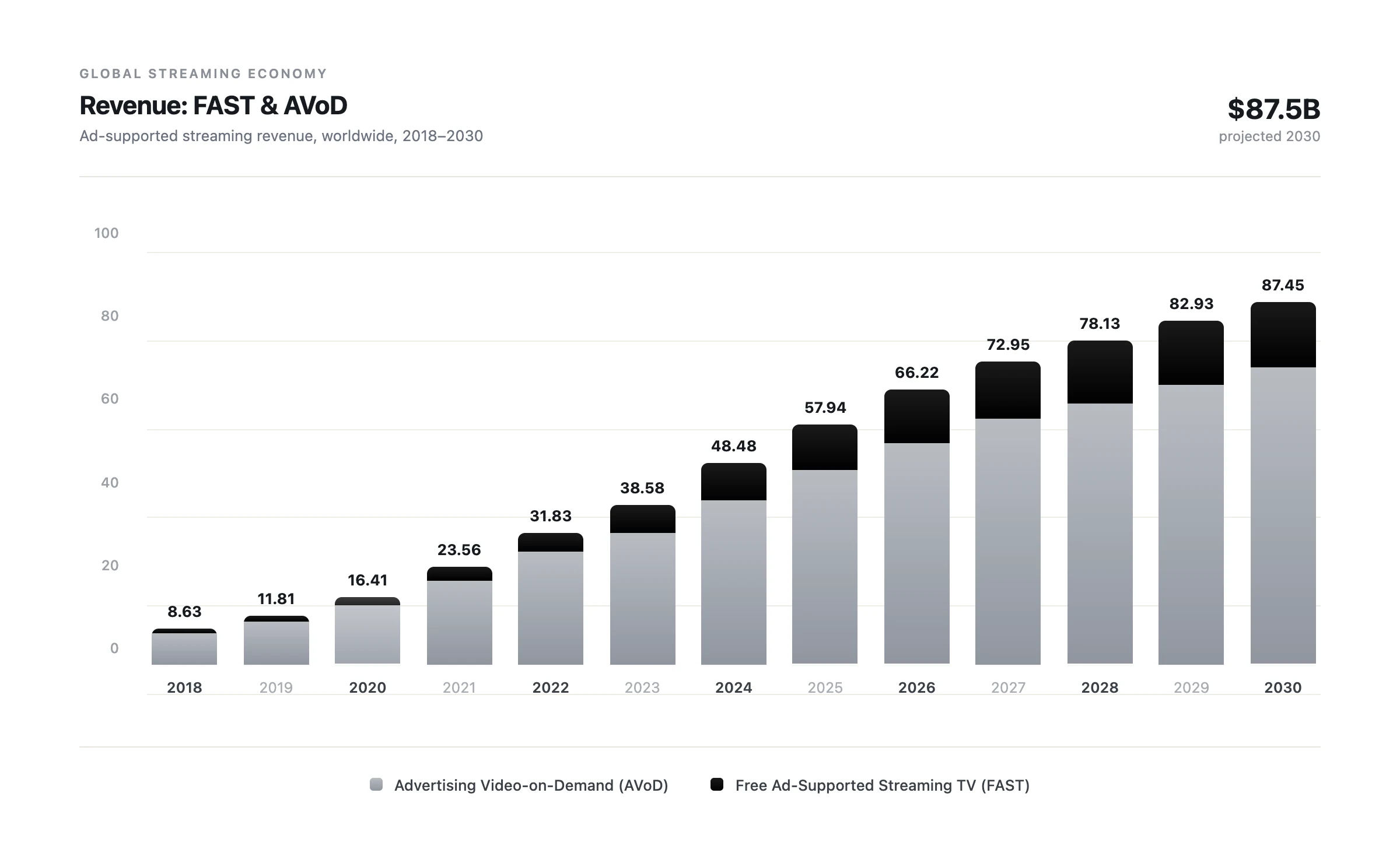
Sling had free content, but no free path to experience it.
Sling’s paywall-first entry flow required visitors to sign in or subscribe before playback. The barrier hid the value of the free catalog, limited insight into viewer intent, and constrained Sling’s ability to build meaningful ad-supported reach.
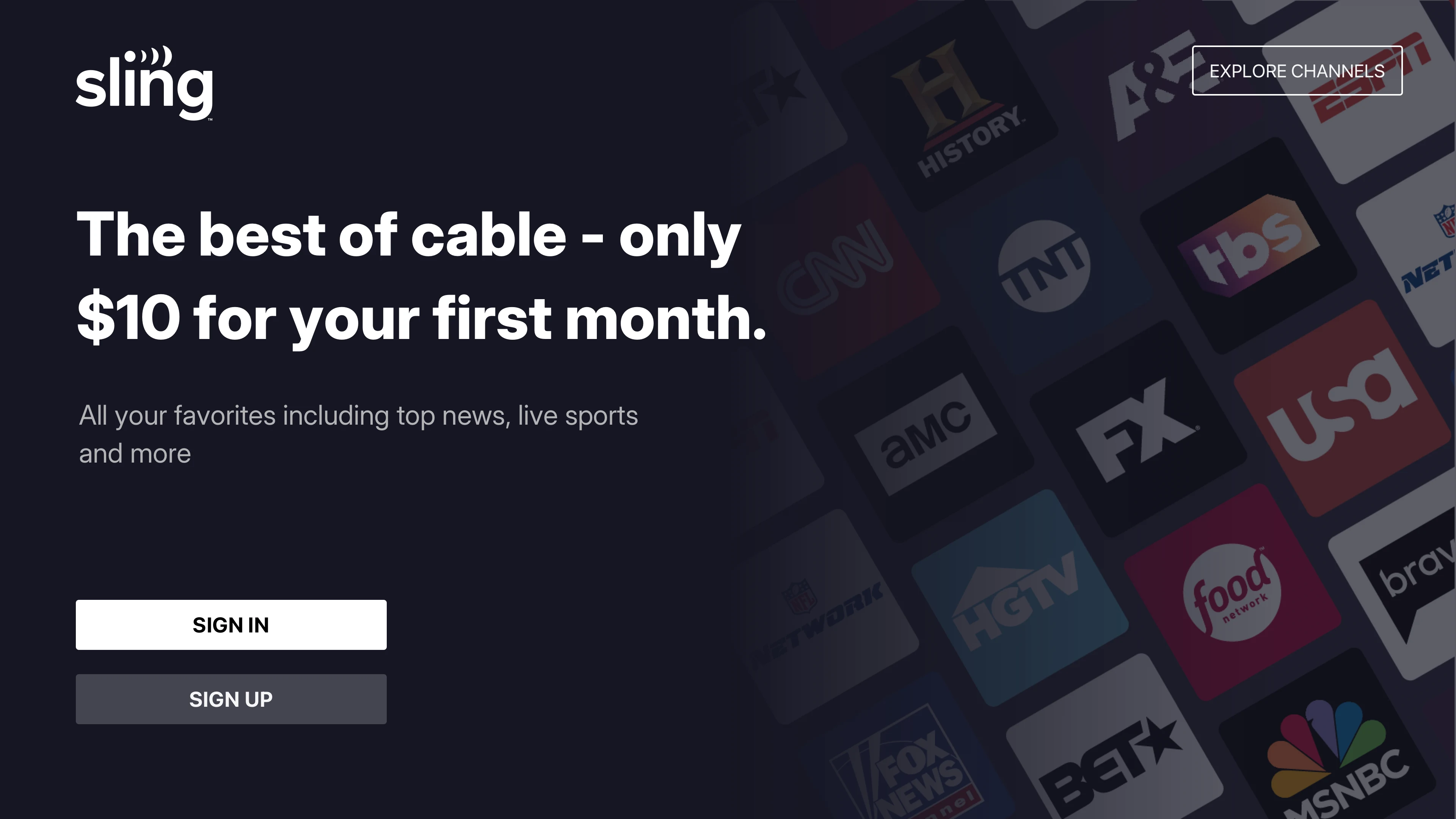
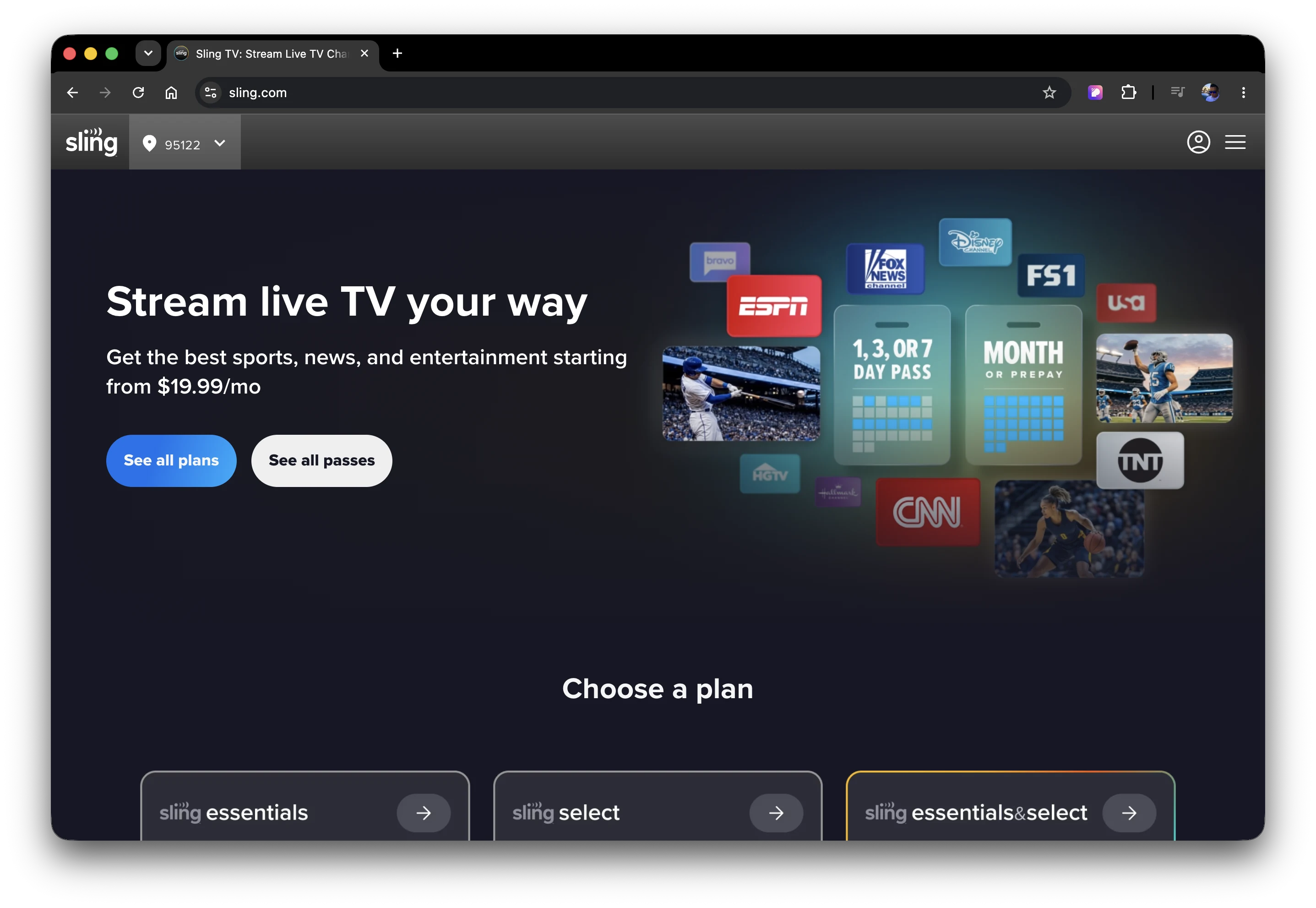
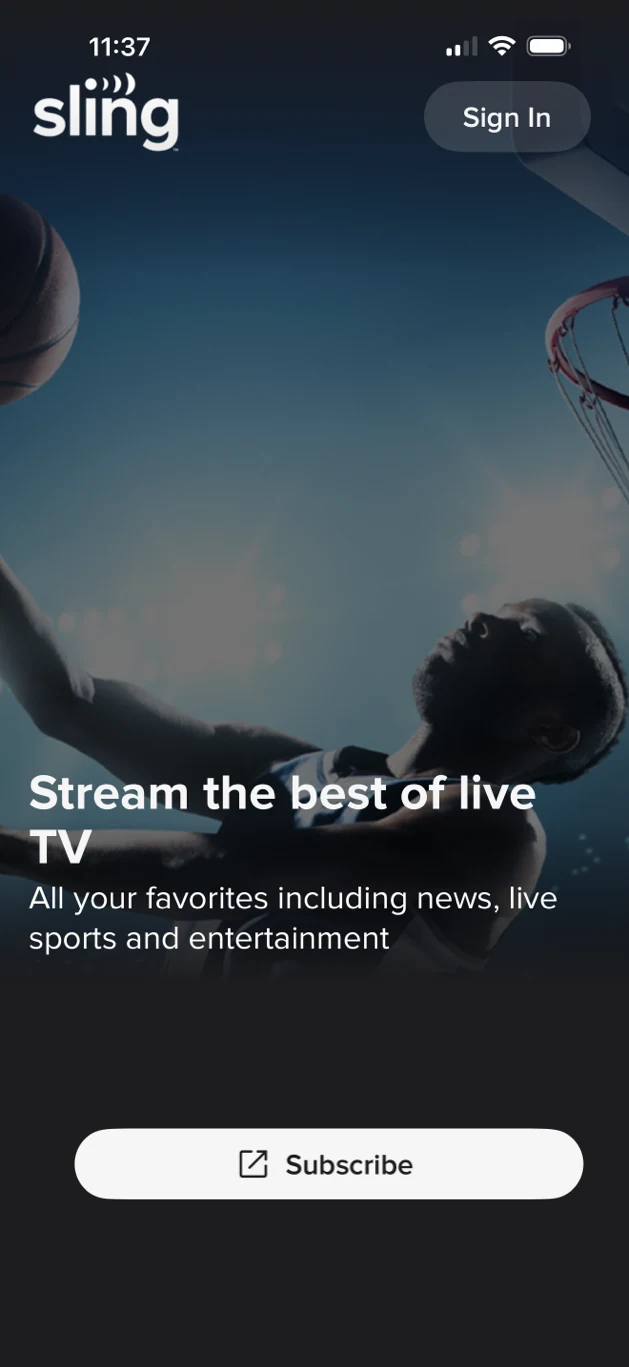
The paywall created four connected problems.
The same barrier affected both sides of the model: users could not experience value before committing, while Sling could not capture the viewer insight, reach, or ad opportunity that free access could create.




Build a valuable free service without weakening the paid business.
Freestream needed a clear role within Sling, a lower-friction path to viewing, and a model that could grow through advertising and paid conversion. Every decision also had to preserve subscriber value and protect the health of the paid business.



We defined success as growing free viewing while protecting paid health.
Freestream could not be judged by audience growth alone. We paired experience and business signals—faster access to playback, deeper viewing, ad opportunity, and free-to-paid conversion—with guardrails for subscriber health and playback reliability.
The first question was not what to design.
It was what Freestream should be.
Before defining flows, the product model had to open free viewing, connect discovery and conversion, and scale without weakening Sling’s paid ecosystem.
Leadership was considering two ways to introduce a free experience.
Leadership had proposed a separate free app or a dedicated Free destination inside Sling. I reframed the question from where free should live to how each model would affect access, discovery, and the viewing experience, as well as fragmentation and long-term scalability within Sling’s existing ecosystem.
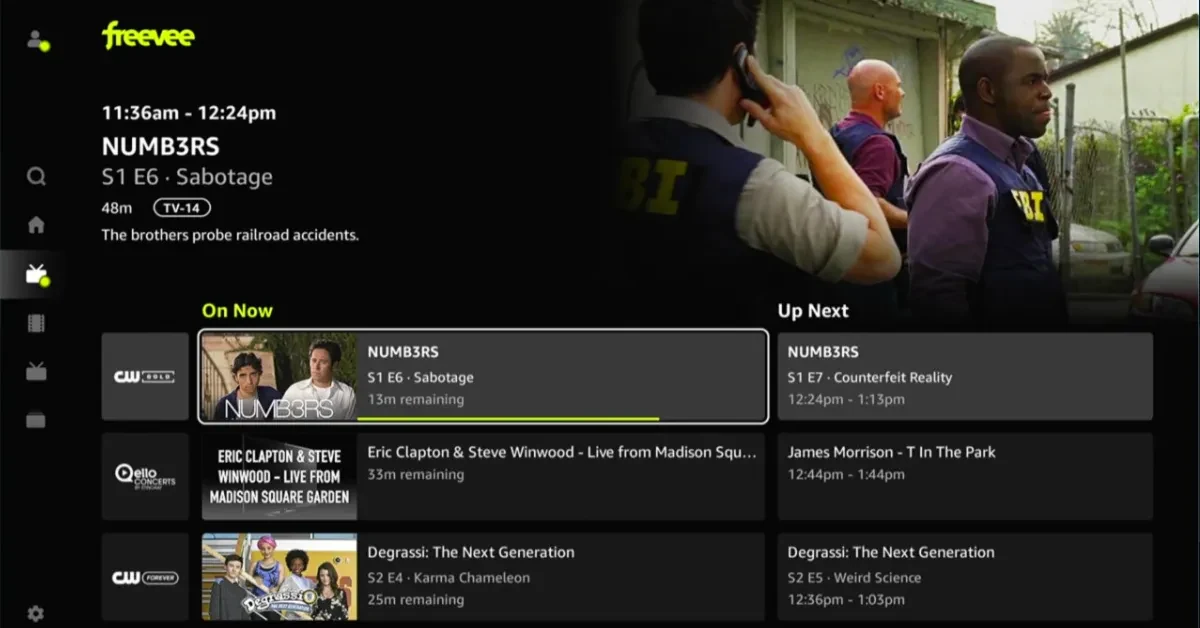
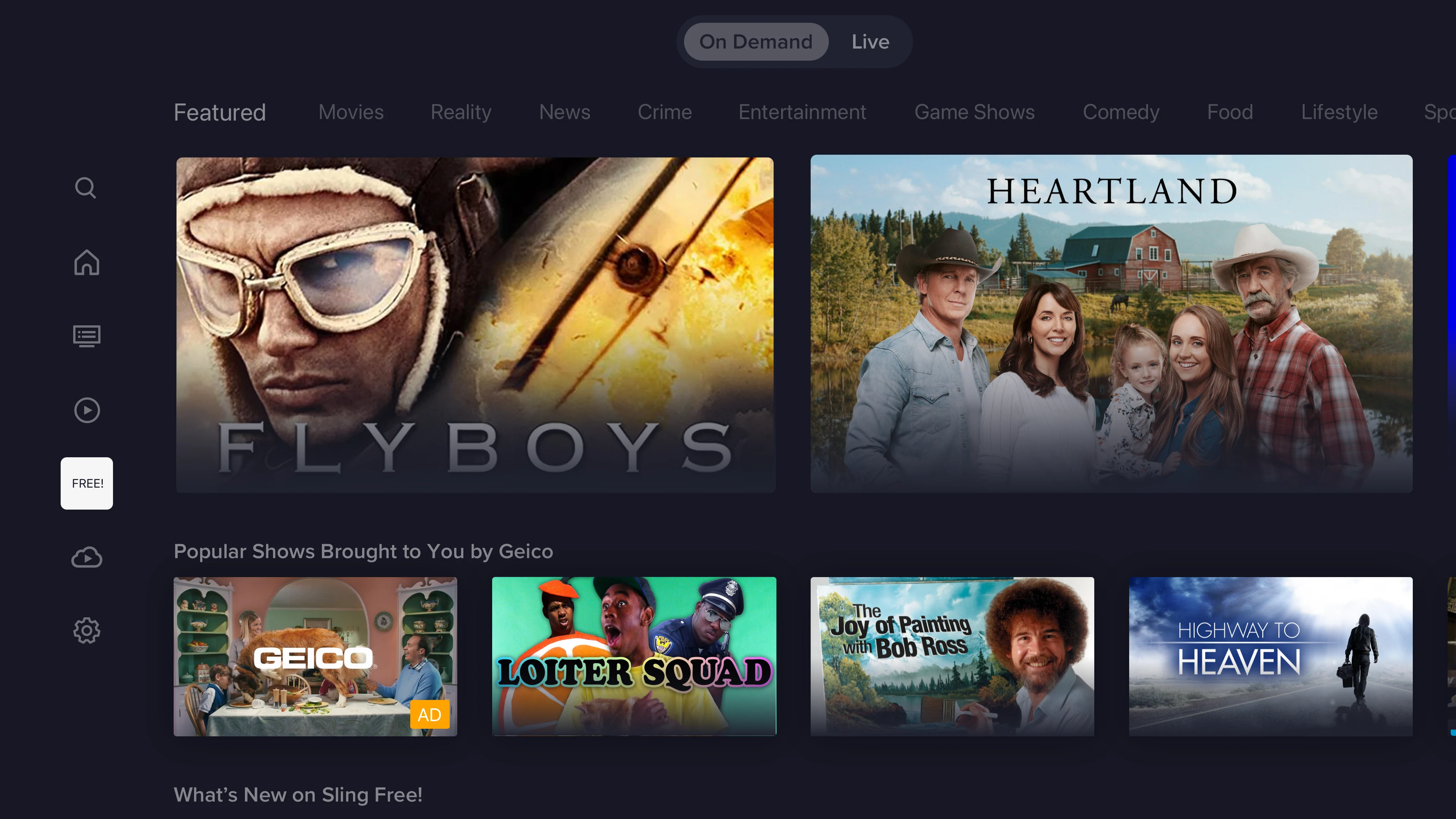
I expanded the question into four product models.
I reviewed how other streaming services opened free viewing, then translated those patterns into four product models with clear user, business, and delivery trade-offs.
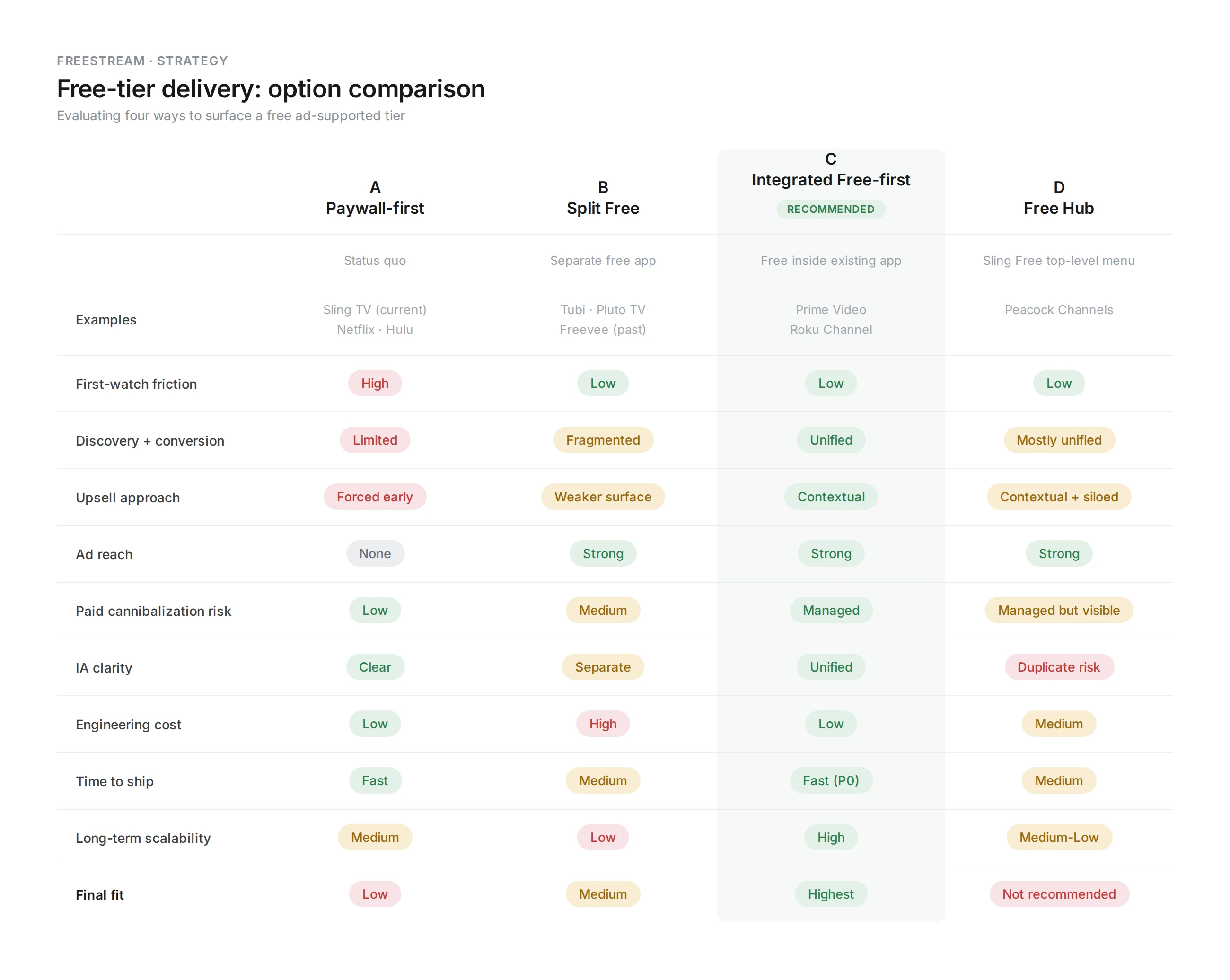
Integrated Free-first was the best fit for Sling.
The model opened free viewing inside the existing Sling experience, avoiding a separate app or duplicated IA while protecting paid entitlements through authentication and user-state rules.
The decision created a new system design problem.
If free access lived inside Sling TV, I needed to define how free content, paid entitlement, and upgrade moments would work together across the existing product.
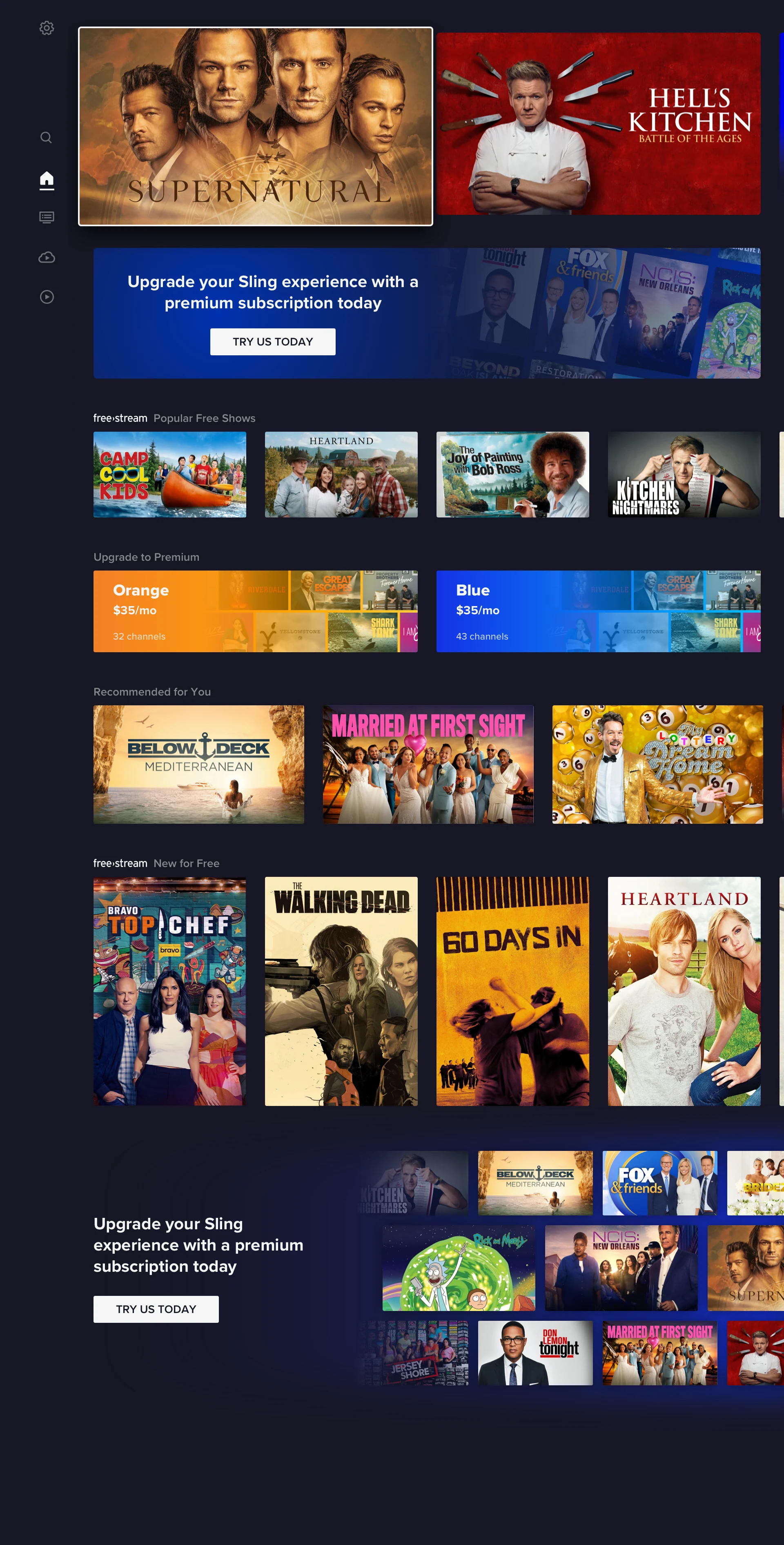
Answering these questions required mapping Freestream across the existing Sling ecosystem.
Free had to work inside the existing Sling ecosystem.
There was no blank canvas—every surface already belonged to the paid product. I mapped how Freestream would affect core journeys, business touchpoints, and measurement before moving into detailed screens.
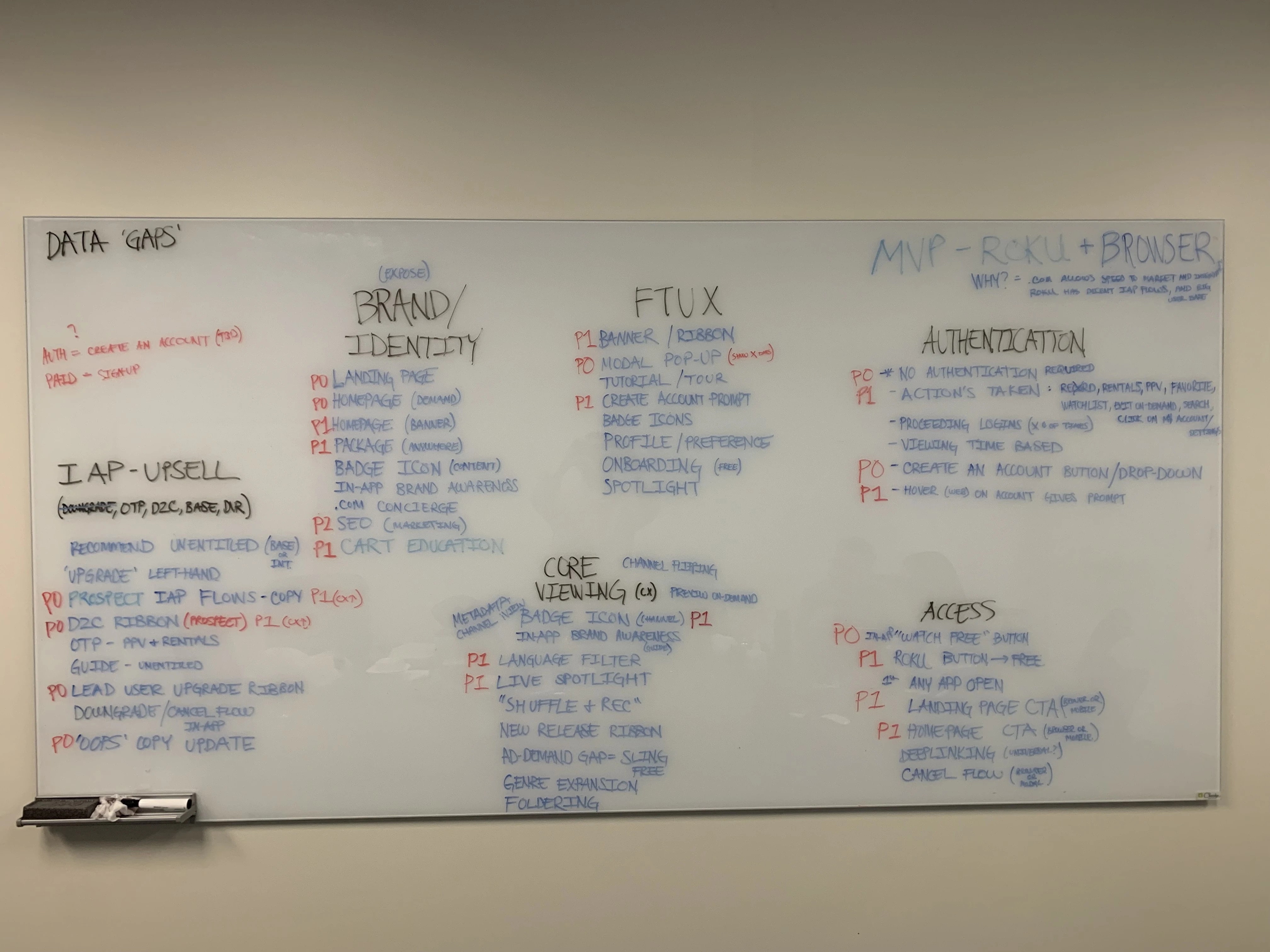
The mapping turned open questions into launch priorities.
Before the mapping, every dependency felt equally important. Afterward, we had a clearer sequence for what had to work first, what needed validation, and what could scale later.
I made the key assumptions explicit before scaling.
The integrated model depended on three unproven conditions: free access had to create meaningful viewing, generate business value without weakening paid, and work across existing user states and surfaces. Each assumption was paired with a de-risking approach and clear validation signals.
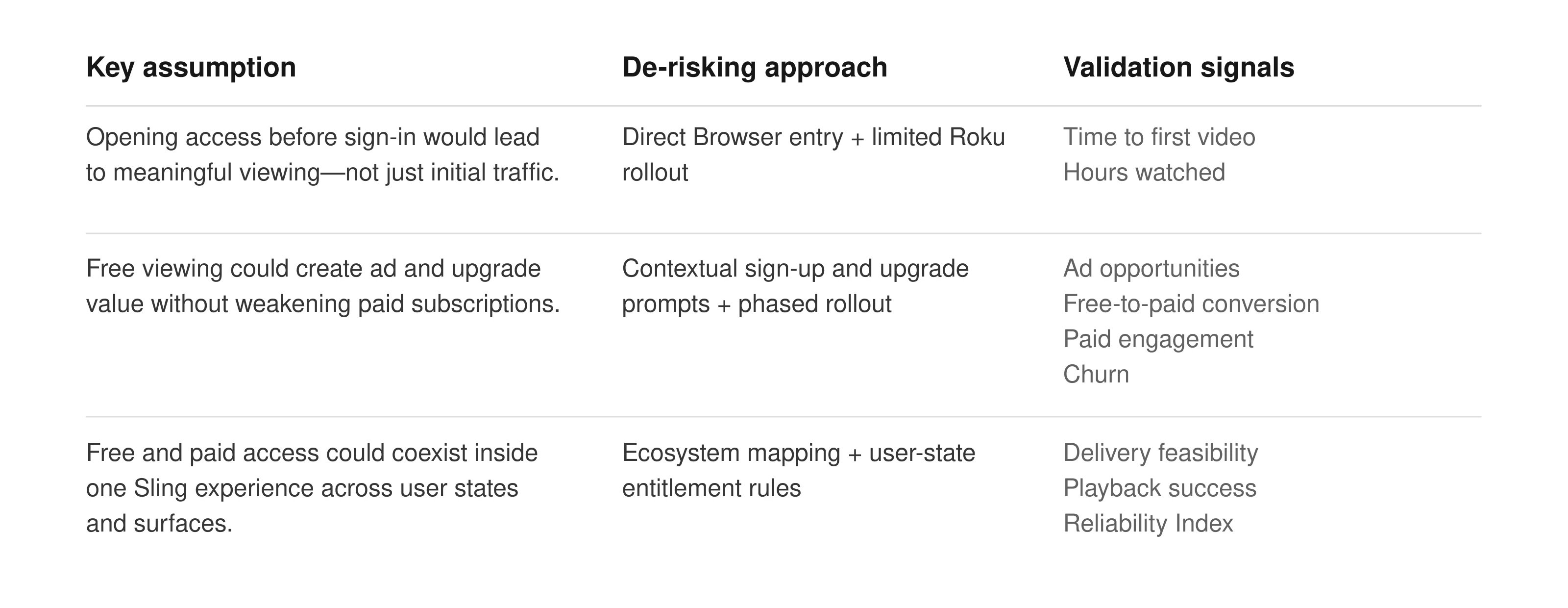
One Sling experience had to adapt to four user states.
Freestream had to behave differently depending on who the user was: Prospect, Lead, Paid, or Former. I defined how access, authentication, prompts, and upgrade paths should work for each state before designing the flows.
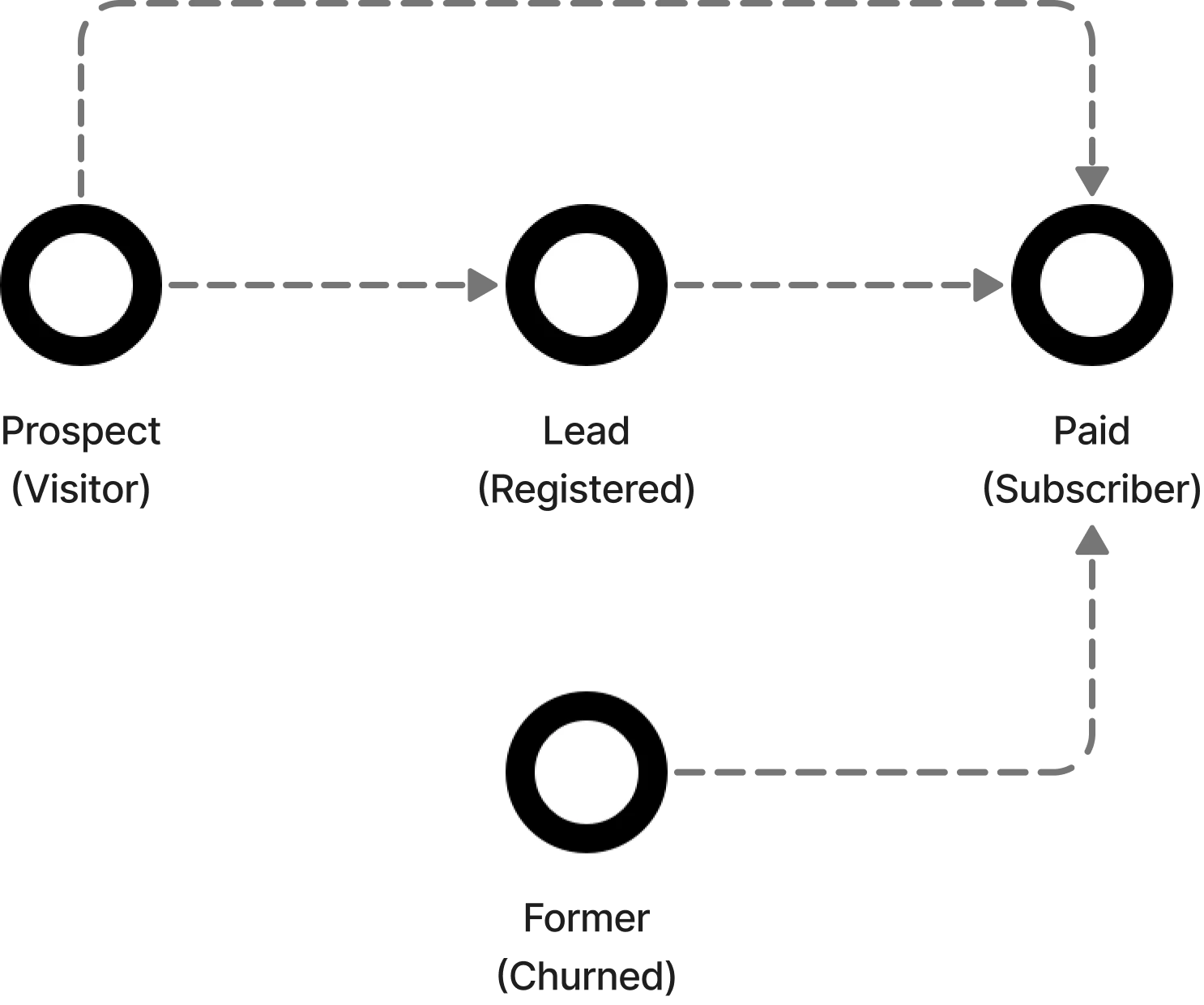
The same flow had to adapt to different user states.
Every user moved through the same basic stages — access, authentication, first-time experience, content, and upsell but the rules changed based on who they were and what they had already done.

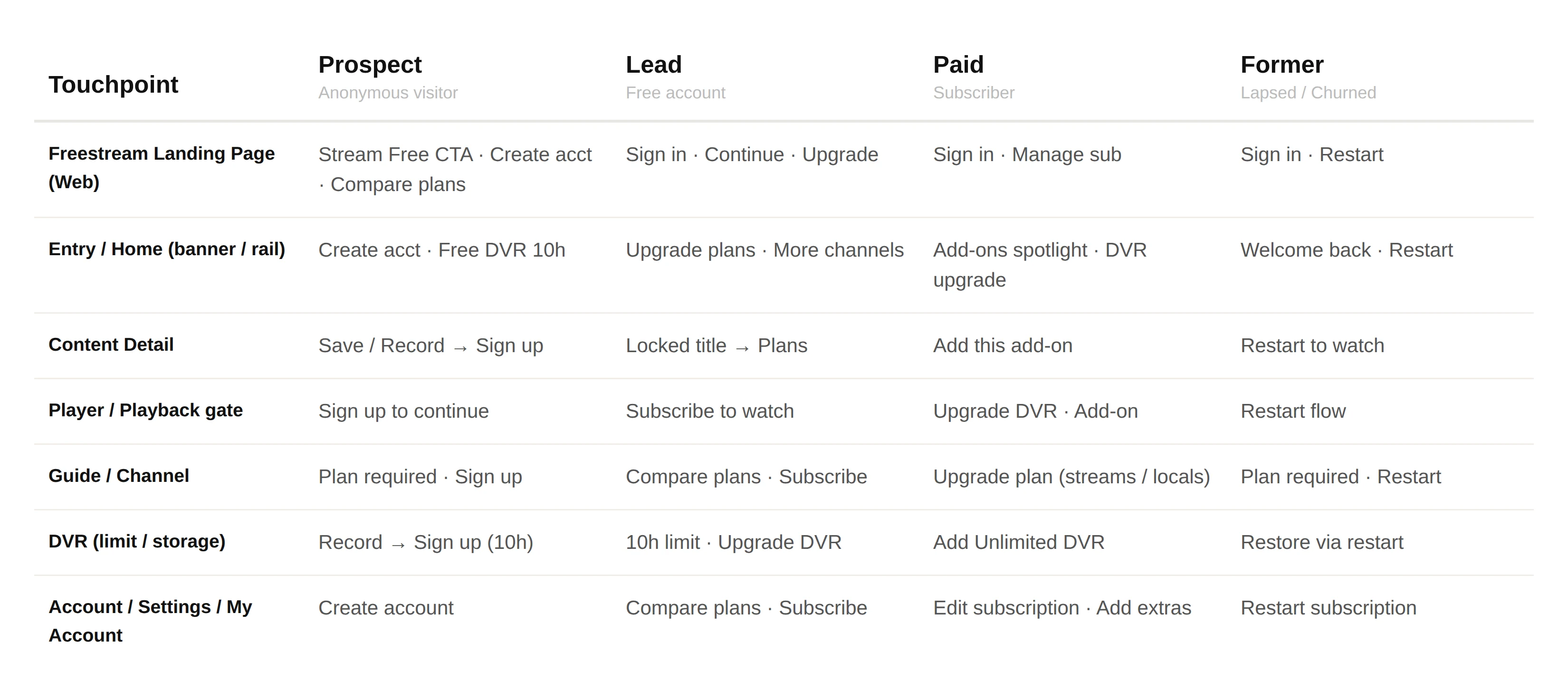
The entitlement matrix turned rules into touchpoint-level behavior.
I mapped a broader set of product touchpoints across Prospect, Lead, Paid, and Former states to define access points, prompts, and next actions. The sample below shows how representative rules were applied and used to align UX, Product, Engineering, Ads, and Marketing.
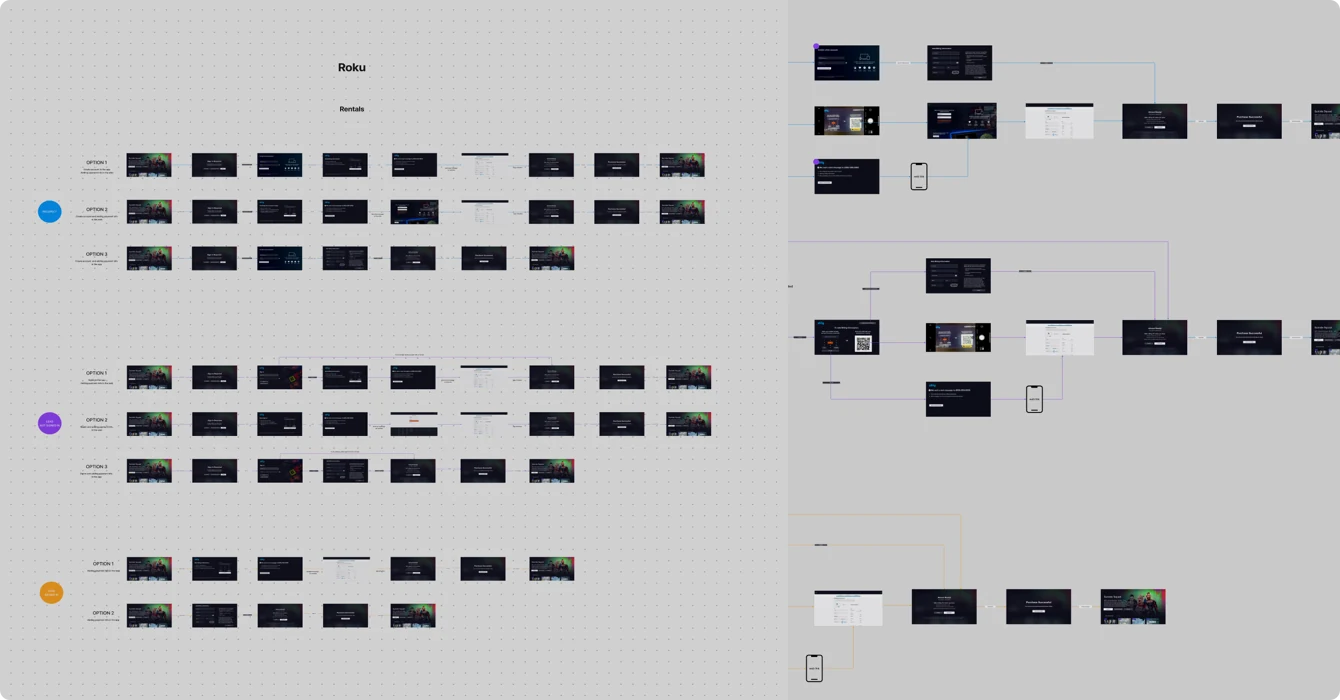
Users could enter Freestream from many places.
Roku, Browser, marketing pages, in-app surfaces, and account paths each carried different context, intent, and conversion potential. I mapped the flows by surface to define where viewing began, when authentication appeared, and where upgrade moments belonged.
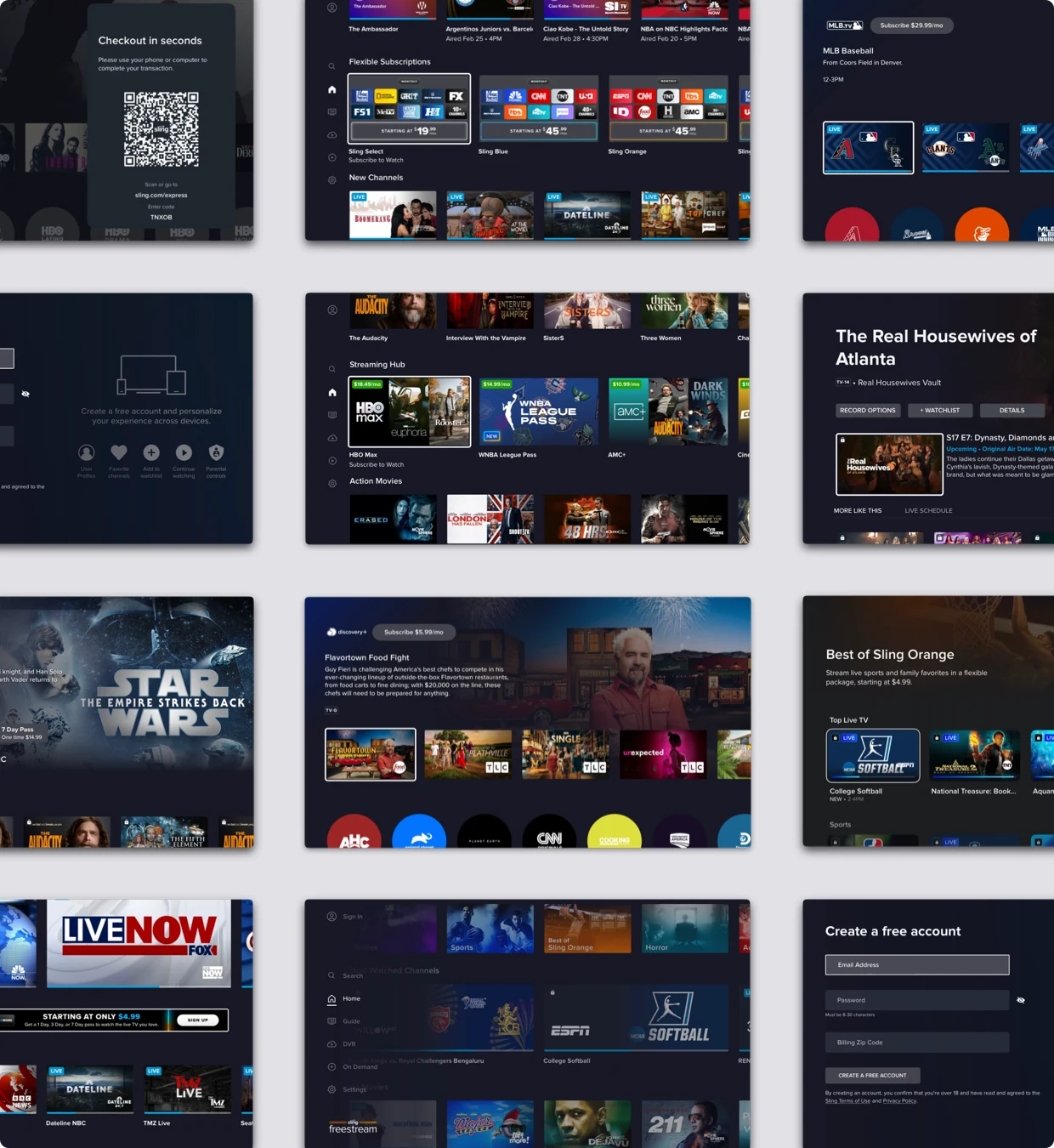
Monetization Moments appeared after intent, not before.
Sign-up, subscription, and upgrade prompts were placed based on user state, page context, and intent. Prospects were prompted to create a free account after engaging with content, while Leads encountered subscription prompts when they tried to unlock more channels or paid-only content.
With the experience rules translated into flows, the next question was how to validate the model safely in market without disrupting existing user behavior or risking conversion loss.
“Shipped small. Learned fast. Scaled carefully.”
Freestream launched first on Roku and Browser because each gave us a controlled way to test a different part of the model before scaling. Roku validated free-first entry on TV, while Browser tested how users discover, engage with, and move into Freestream through a direct web experience.
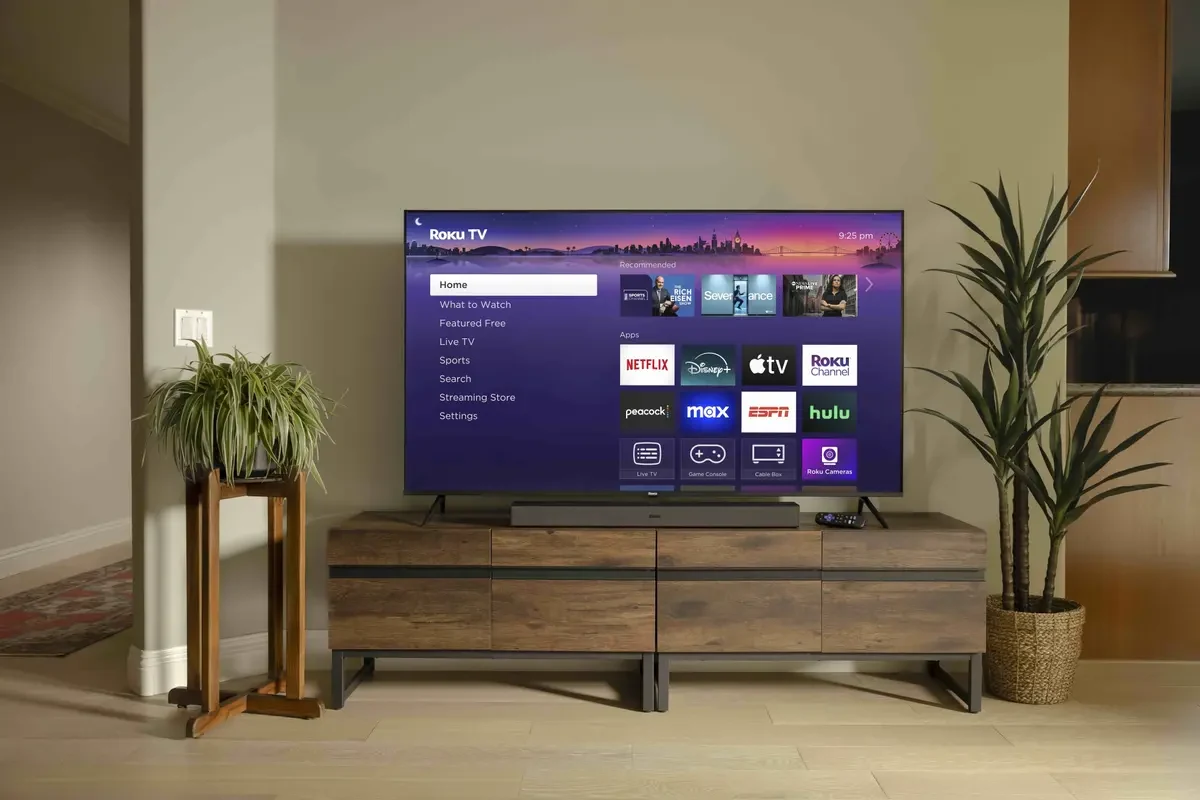
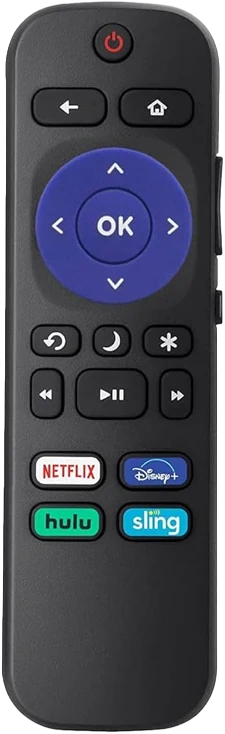
Roku tested a free-first nudge through an existing TV entry point.
Because the Sling button already existed on Roku remotes, we used it to test a small free-first routing change instead of sending every user into the standard sign-in flow. The limited rollout made the change easier to monitor before expanding.
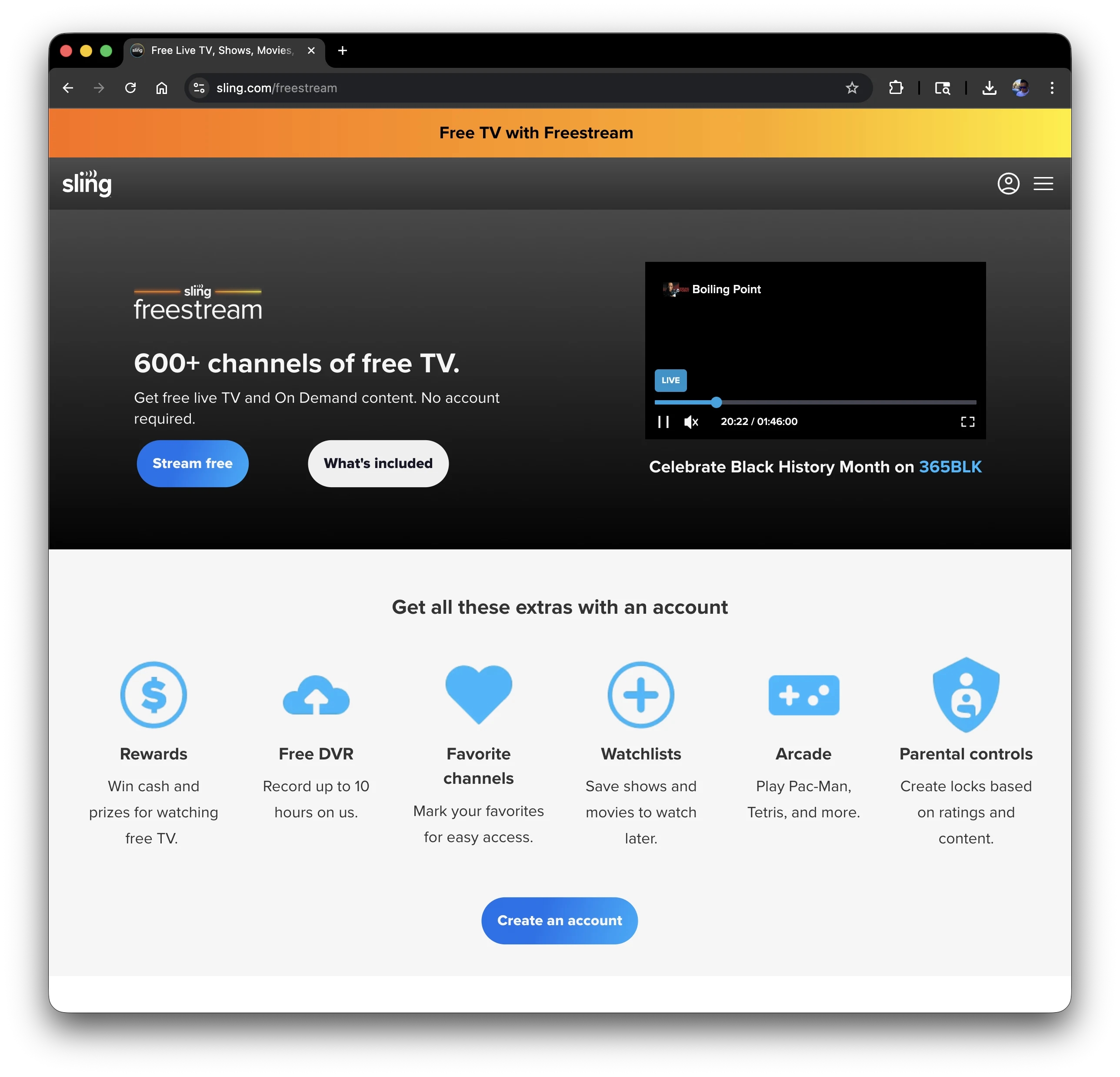
Browser tested how users discover, engage with, and move into Freestream through a direct web experience.
The landing page gave users a direct path into Freestream and enabled email-only account creation to move Prospects into Leads. It also let us observe how users discover content, engage with programming, and progress into deeper platform usage through a direct web experience. This made it a fast feedback loop for testing messaging, featured content, and CTAs.
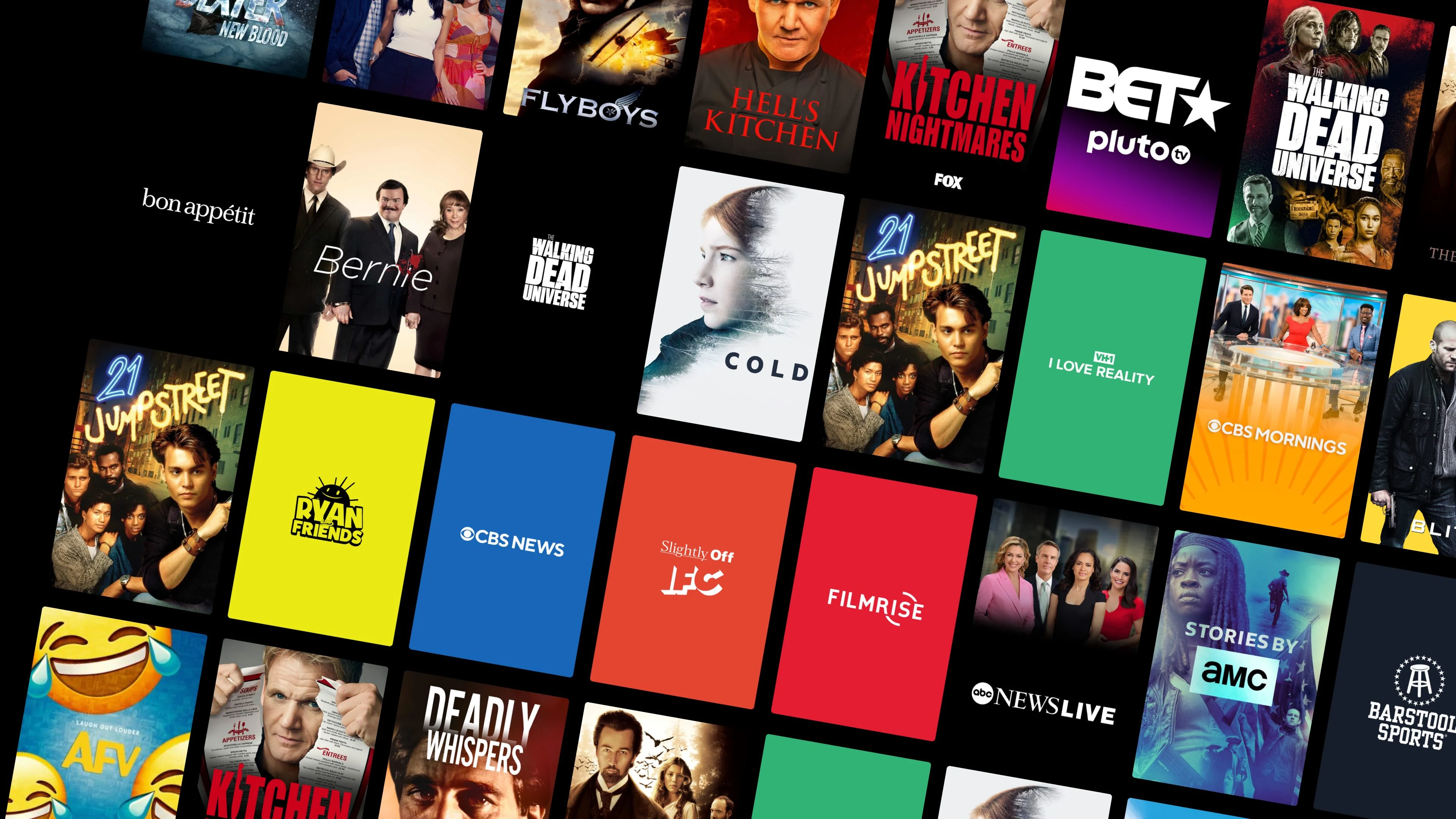
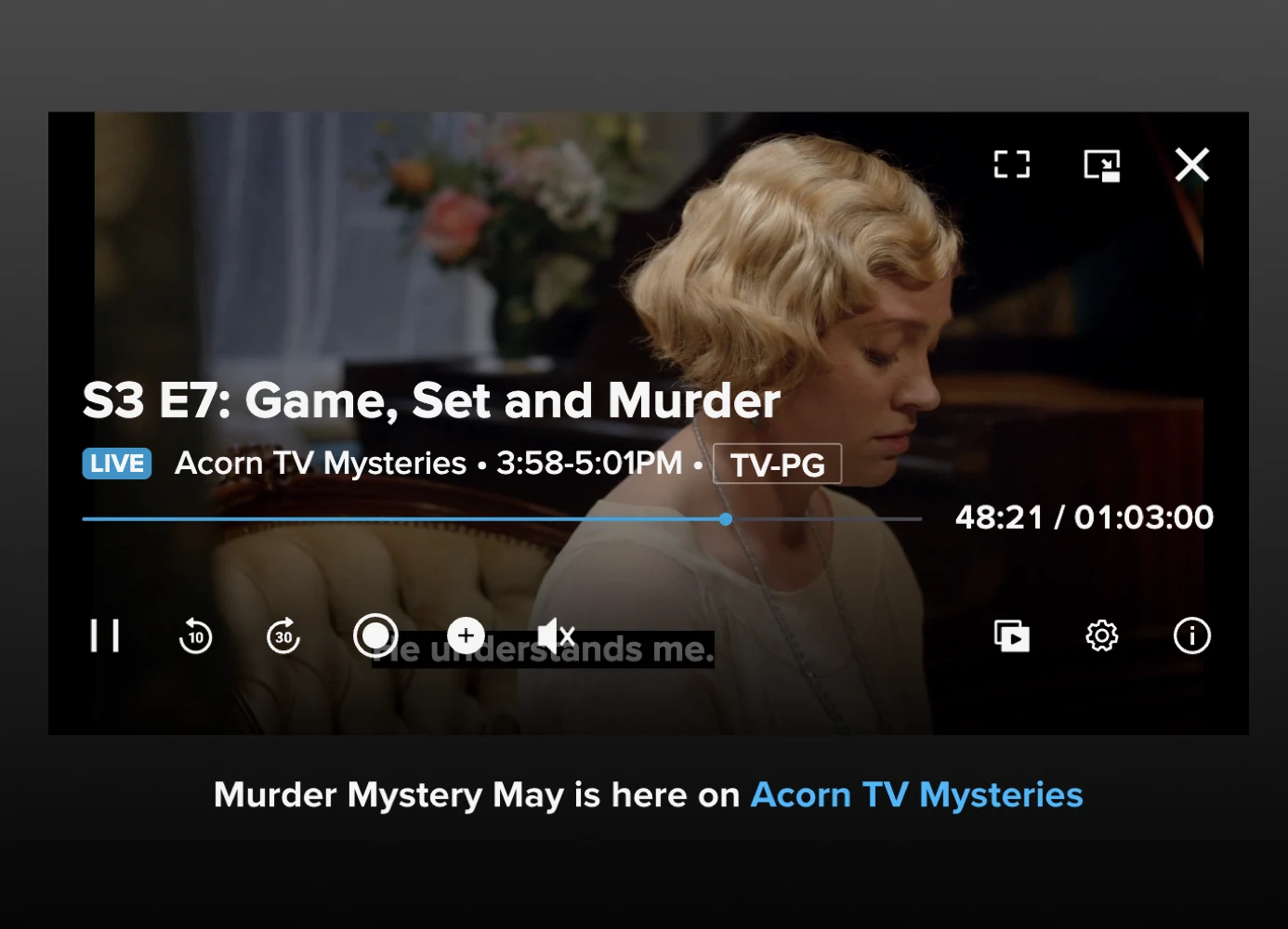
The staged rollout turned launch into validation.
The staged rollout was not just caution. It let us gather real behavioral data while protecting the subscription business. We started with limited exposure and expanded only as engagement, playback, paid-health, and conversion signals held.


Launch signals supported the free-first direction.
We monitored content scale, ad opportunity, paid activity, and churn together to understand whether Freestream could scale without weakening Sling’s paid ecosystem.
Freestream worked because free access was treated as a product system.
The work connected strategy, user states, entitlement, monetization, measurement, and rollout guardrails—so free growth could scale within Sling’s paid ecosystem.